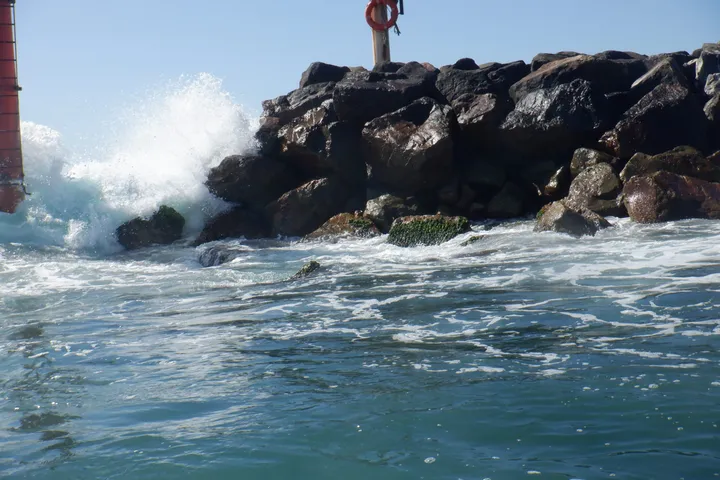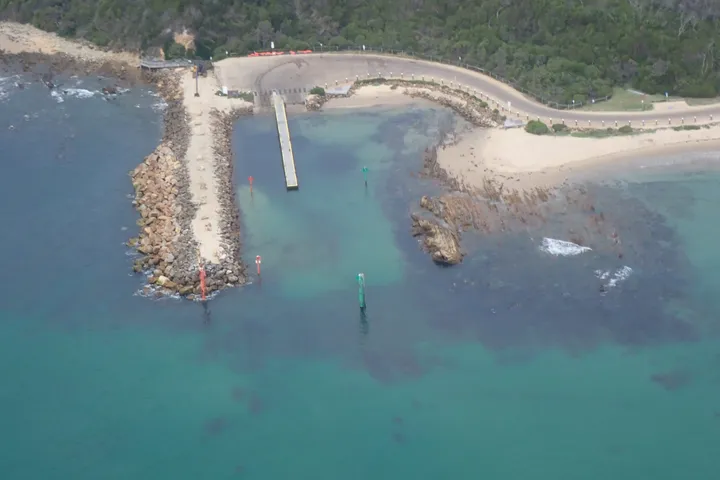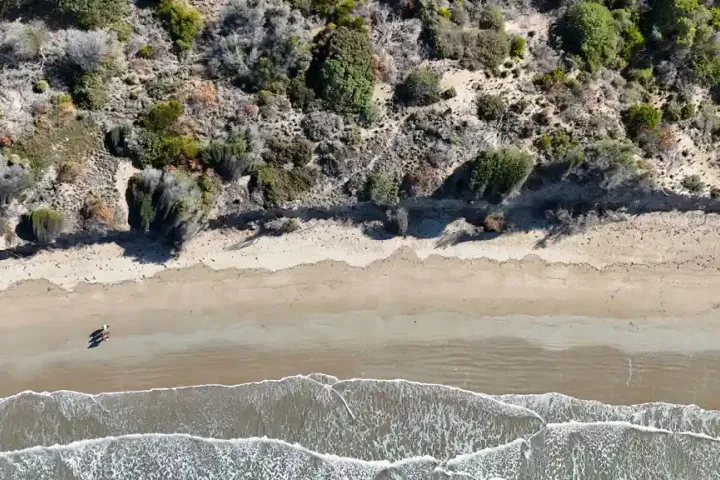
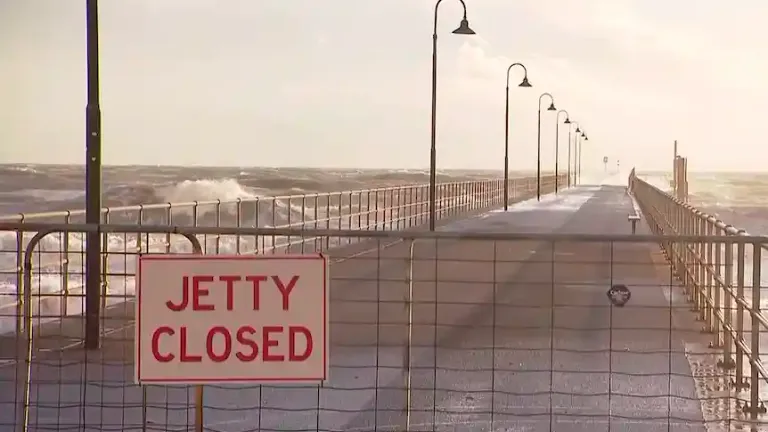
On Monday 26 May, a powerful coastal storm hit South Australia, with westerly swells and high tides combining to flood roads, damage jetties, and result in the loss of several beachfront structures.
Image source: abc.net.au
On Monday 26 May, a powerful coastal storm hit South Australia, with westerly swells and high tides combining to flood roads, damage jetties, and result in the loss of several beachfront structures.
The damage was visible, immediate and only the beginning. Events like these are happening more often. What was once considered a 1-in-10-year storm could soon become annual.
And as coastal infrastructure ages, councils and asset owners must ask: Are we ready for what’s next?
What Happened?
The storm surge caused:
Structural damage to multiple timber jetties
Flooding of low-lying roads and reserves
Overtopping of seawalls causing erosion and collapse of paths
Overtopping of breakwaters causing damage to infrastructure
Property loss, including beachfront structures swept into the sea
WSCAM Assessments
Magryn is currently undertaking assessments aligned with the WSCAM (Wharf Structures Condition Assessment Manual) to evaluate damage and inform urgent remediation work.
Why this matters for South Australia - with sea level rise accelerating and storm intensity increasing, infrastructure built for the past won’t withstand the future.
At Magryn, we help regional councils, government agencies, and developers protect their coastlines through:
Jetty & Maritime Inspections
Jetty and maritime inspections, including underwater and tidal zone access
Storm Damage Response
Storm damage response and make-safe engineering advice
Wave modelling
Wave modelling, erosion risk, and flood mapping
Design & Remediation
Design and remediation of jetties, breakwaters, boat ramps and seawalls
Resilience Strategies
Long-term resilience strategies that integrate with climate forecasts
Coastal adaptation planning & design
Coastal adaptation planning and design, including design of seawalls to be futureproof
Coming Soon: Data-Driven Analysis
Annual Recurrence Interval
We analyse tide gauge and swell data from events like this to determine the Annual Recurrence Interval (ARI), and also review anecdotal evidence to assist with validation of existing and proposed designs.
Prepare, Respond, and Future-Proof
Whether you're managing ageing infrastructure or planning a new development along South Australia’s coast, now is the time to act. Resilient design isn't just best practice: it’s essential.