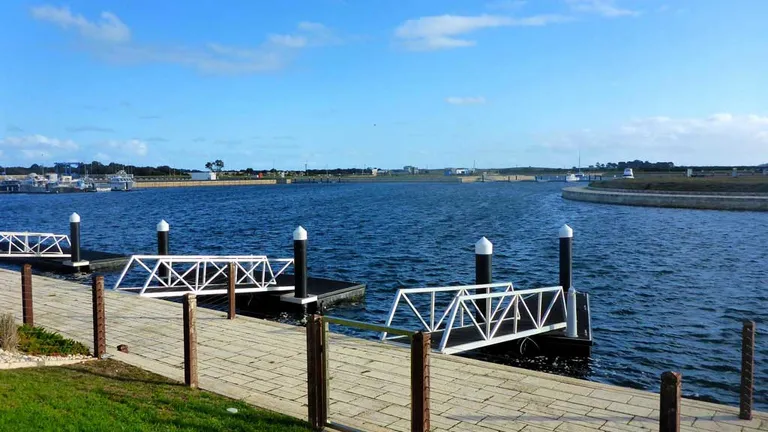
Owning a private dock can bring unmatched convenience and value to your waterfront property, providing direct access to the water and a dedicated space for boats and recreation.
Owning a private dock can bring unmatched convenience and value to your waterfront property, providing direct access to the water and a dedicated space for boats and recreation.
However, designing, building, and maintaining a private dock requires thoughtful planning, attention to engineering standards, and awareness of local regulations.
Whether you're considering building a new dock or need an expert to assess and maintain an existing one, understanding the essentials of dock ownership is crucial for ensuring your investment is safe, sustainable, and built to last.
Common Challenges in Private Dock Construction
Constructing a private dock can be complex, with several key factors that directly impact the dock's safety, longevity, and compliance. Here are some of the primary challenges and how to address them:
Site Selection & Environmental Impact
Choosing the right site is critical to the success of your dock. Factors like water depth, wave exposure, and the substrate of the sea/river bed affect not only the dock's stability but also its impact on the surrounding environment.
An unsuitable location can lead to erosion, navigational hazards, and other issues that compromise safety.
Tip: A thorough site assessment by an engineering professional can help identify the best location, minimising environmental impact and ensuring stability.
Structural Design & Load Capacity
A private dock must be built to handle anticipated loads, including the weight of people, equipment, and boats. Structural design considerations like material strength, pile depth, and bracing are crucial for a dock's safety and longevity.
Poor design or inadequate materials can lead to premature wear and even structural failure.
Tip: Partner with a qualified engineer to develop a design that meets Australian Standards and is customised to the demands of your specific location and use.
Choosing High-Quality Materials
The materials you choose for your dock determine its resilience against weather, water, and regular use. Saltwater environments require corrosion-resistant materials, while freshwater docks may have slightly different needs.
Investing in high-quality materials upfront can save you from costly repairs and replacements down the line.
Tip: Look for materials designed for marine applications, such as treated timber, stainless steel, aluminium, or FRP (Fibre Reinforced Polymer). Working with a knowledgeable engineer ensures you get advice tailored to your dock's environment and budget.
Navigating Development Approvals & Regulations
One of the most common mistakes in dock construction is neglecting the necessary development approvals and regulatory requirements.
Local councils and relevant state and federal bodies often have specific requirements, including environmental impact assessments, that must be met before construction begins. Failure to secure these approvals can lead to fines or even forced dock removal.
Tip: Begin by consulting local authorities to determine the development approvals required. A qualified engineering consultant can streamline this process, ensuring you're compliant from the start.
Ongoing Maintenance and Inspection
Building a dock is only the beginning. Regular maintenance and inspections are essential for keeping your dock safe and functional.
Over time, water exposure, UV radiation, and seasonal weather changes can wear down even the best-constructed docks.
Routine Inspections: Schedule professional inspections to check for signs of damage, especially after severe weather. A thorough inspection can catch minor issues before they escalate.
Cleaning and Sealing: Regularly clean the dock surface to prevent algae buildup and consider sealing wood components to protect against moisture damage.
Structural Repairs: Address any signs of decay or weakness immediately to prevent accidents and extend the life of your dock.
Of course, the best way to reduce maintenance costs is to start with a well-designed, durable, and compliant dock facility.
A solid foundation, quality materials, and careful planning during the design and construction phase can greatly minimise the need for costly repairs in the future.
Why Choose Professional Engineering for Your Private Dock?
Designing, building, and maintaining a private dock is a significant investment. By partnering with a professional engineering consultant, you ensure that your dock is built to last, compliant with local regulations, and tailored to your needs, environment and budget.
An experienced engineer can guide you through each phase, from initial site assessments and permitting to design and construction, saving you time and stress.