Breakwaters play a critical role in enabling safe marina access and protecting coastal infrastructure.
Breakwaters play a critical role in enabling safe marina access and protecting coastal infrastructure.
While their purpose may appear straightforward, their performance depends on a range of interconnected design considerations that influence how marinas function in practice.
Many marinas across Australia are now also facing additional pressures, including ageing infrastructure, sedimentation, and changing environmental conditions. This makes careful, site-specific design and assessment increasingly important.
Balancing Protection and Operability
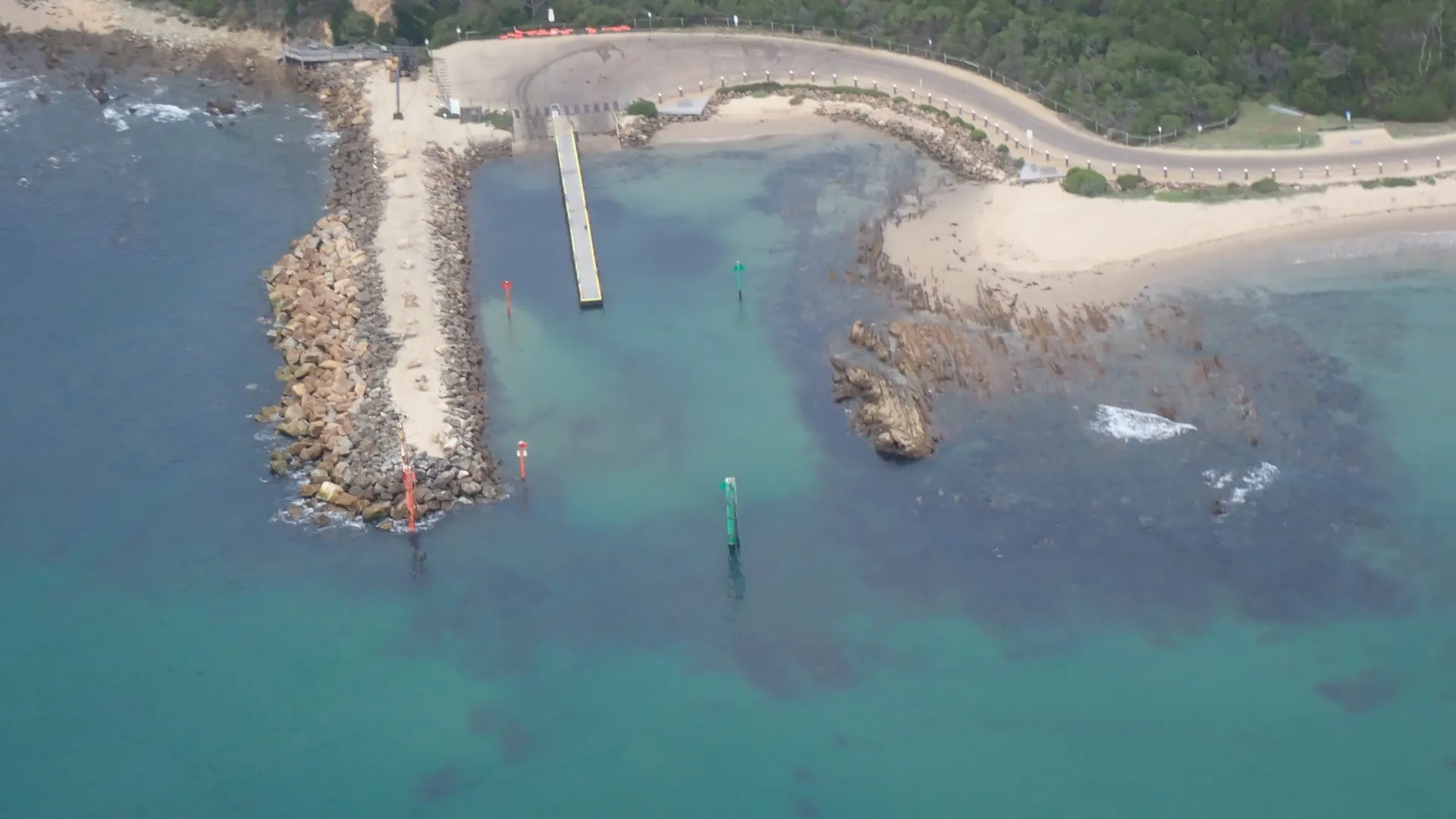
A breakwater must reduce wave energy within the marina while still allowing vessels to safely enter and exit. If the entrance is too wide, wave penetration can affect vessel operability. If it is too narrow, manoeuvrability may be reduced, particularly during adverse conditions.
Even relatively small changes to breakwater alignment, length, or orientation can influence marina tranquillity and navigability. These factors are typically assessed alongside operational requirements and site conditions.
Overtopping Considerations
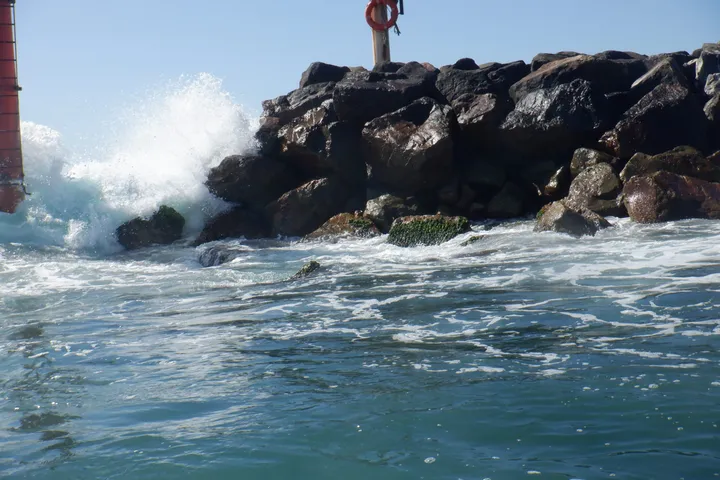
Breakwater crest levels are commonly designed to limit overtopping during storm events. Assessing overtopping behaviour helps inform crest elevation and configuration, particularly where public access or infrastructure is present.
Allowing for future crest raising, where appropriate, can also provide flexibility as sea levels change over time.
Internal Structure and Armour Performance
The performance of a breakwater depends not only on armour size but also on internal structure and permeability.
Permeable cores help dissipate wave energy and reduce loading on armour layers. Rock quality, grading, and placement also influence long-term stability and maintenance requirements. These aspects are particularly relevant when upgrading or extending existing structures.
Sediment Processes and Maintenance
Breakwaters alter local sediment transport patterns. Over time, this can lead to sediment accumulation within marina entrances or basins.
Understanding these processes helps inform maintenance planning, including dredging requirements and access considerations.
Long-Term Performance
Breakwaters are typically expected to perform over many decades. Considering future sea levels, wave conditions, and operational needs helps ensure structures remain functional and adaptable over their service life.
Supporting Marina and Coastal Infrastructure
Breakwaters are an essential component of marina infrastructure.
Careful assessment and design help ensure they continue to provide effective protection while supporting safe and reliable marina operations.
At Magryn, we work with councils and asset owners to assess, upgrade, and design breakwaters in a range of coastal settings across South Australia.
If you are reviewing the condition or performance of an existing breakwater, or planning future works, we would be happy to discuss how we can assist.