Groynes are a common tool in coastal management, serving as vital structures to retain sand along beaches, maintain beach width, and protect against erosion.
Groynes are a common tool in coastal management, serving as vital structures to retain sand along beaches, maintain beach width, and protect against erosion.
This article explores a recently designed sandbag groyne field and highlights the principles, strategies, advantages, disadvantages, and the need for careful consideration before intervening with natural coastal processes.
Understanding the Need for Groynes
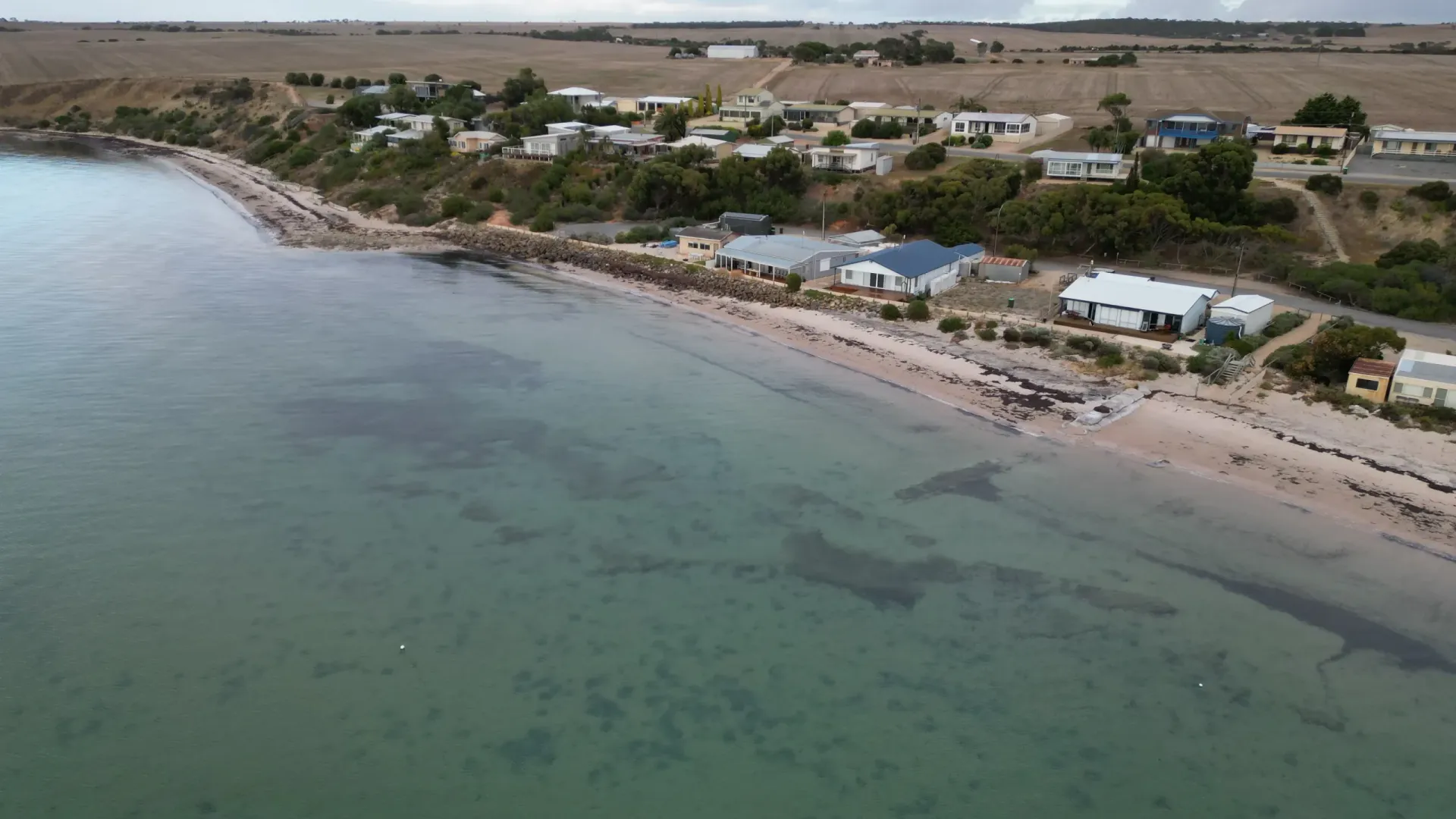
Coastal areas face challenges from natural processes such as wave action and longshore sediment transport. Over time, these forces can lead to significant erosion, jeopardising beach width and amenity. To address these challenges, a two-groyne sandbag field was designed as part of a long-term strategy to stabilise the coastline and ensure sustainable beach management.
Key Design Principles
The design methodology for the groyne field followed established internationally recognised guidelines. These resources provided a robust framework for optimising the groyne layout and performance.
Beach nourishment was identified as essential to the groyne’s success. Nourishment helps mitigate potential downdrift erosion.
Advantages of Groynes
Groynes offer several benefits for coastal management, including:
Sand & Vegetation Retention
Groynes trap sand on the updrift side, helping to build and maintain beach width and amenity, and allow establishment of plants on the foredune, in this case covering a rock seawall.
Erosion Control
By stabilising the shoreline, groynes protect against the erosive forces of waves and currents.
Flexibility & Adaptability
When constructed using geotextile sand containers, groynes can adapt to changing coastal conditions. These containers can be filled with locally sourced sand material, making them a cost-effective and sustainable alternative to traditional hard rock structures.
The Need for Careful Consideration
Intervening with natural coastal processes is a significant decision that requires thorough analysis and planning.
While groynes can provide valuable solutions to some complex problems, their implementation must be carefully evaluated to avoid unintended consequences, such as exacerbating erosion in other areas or disrupting marine habitats.
Collaboration with coastal specialists and adherence to established guidelines is crucial to designing interventions that balance the benefits of protection with the preservation of natural coastal dynamics.
Conclusion
The use of groynes in coastal management requires careful planning, detailed site-specific analysis, and integration with supplementary measures like beach nourishment.
While they offer significant benefits, groynes must be implemented with a comprehensive understanding of their potential impacts.
This sandbag groyne field serves as a testament to the effectiveness of combining traditional coastal engineering principles with innovative design strategies to ensure sustainable shoreline management.