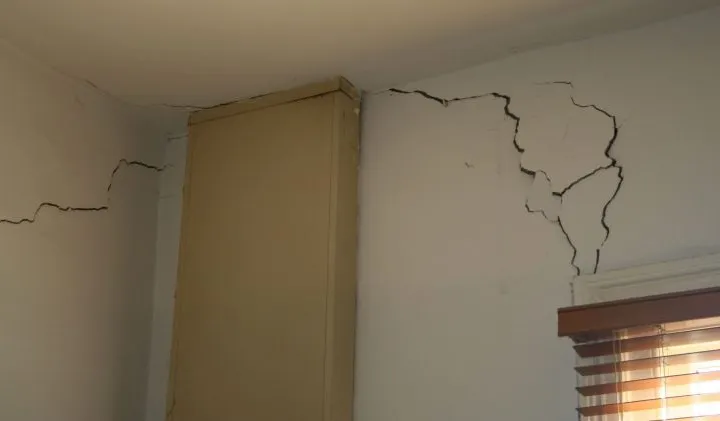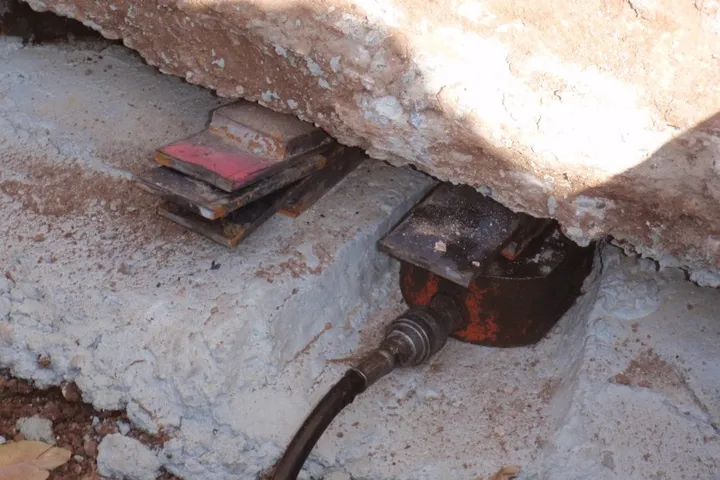
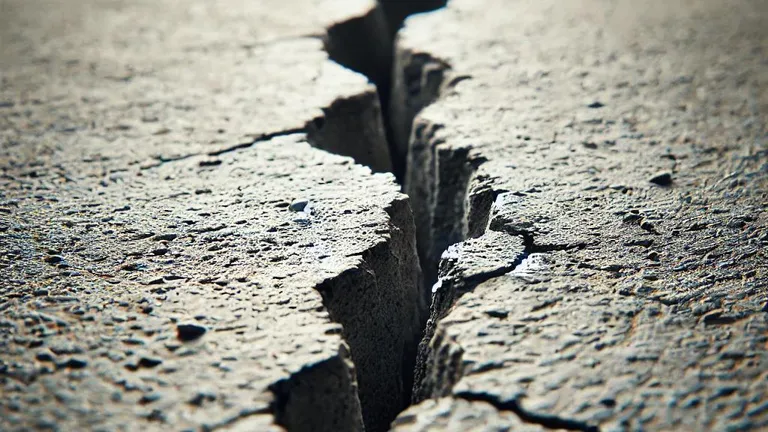
Cracks in concrete slabs and floors are more common than you might think, but understanding why they happen is the first step in fixing them and preventing future issues.
Cracks in concrete slabs and floors are more common than you might think, but understanding why they happen is the first step in fixing them and preventing future issues.
Whether you are a homeowner dealing with hairline cracks or a business owner worried about structural integrity, it is crucial to know what causes these cracks and how to address them effectively.
Why Do Concrete Slabs Crack?
Concrete cracks for many reasons, and while some cracks are purely cosmetic, others can signal bigger problems. Let's dive into the most common causes of cracks in concrete slabs and what you can do to keep your concrete in great shape.
Shrinkage and Poor Curing Cracks
Ever noticed tiny hairline cracks in your concrete? These are often due to shrinkage. As concrete dries and hardens, it naturally shrinks, a process called drying shrinkage.
Additionally, poor curing can contribute to these issues. If the curing process is rushed or skipped, the concrete can stay weak and prone to cracking. Proper curing ensures that your concrete reaches its full strength, making it more durable and less likely to crack over time.
While shrinkage cracks are usually not a major concern, they can be minimised with proper curing techniques and by adding control joints to guide the cracking.
Settlement Cracks
Concrete needs a solid foundation. When the ground beneath a slab settles unevenly (often due to poor soil compaction or changing moisture levels), it can lead to cracks.
These settlement cracks can be more serious and might need substantial repairs to prevent further issues.
Poor Construction Practices and Weak Subbase
Concrete quality starts from the ground up. Poor construction practices or a weak subbase can doom your slab from the start. A strong, well-compacted subbase and a properly mixed concrete batch are essential to prevent future cracks.
Always ensure you’re working with experienced professionals to get it right. Hiring qualified contractors and performing soil compaction tests can help ensure a stable foundation for your concrete.
Thermal Expansion and Contraction
Concrete is sensitive to temperature changes. It expands when it’s hot and contracts when it cools. Without proper expansion joints, this movement can lead to cracks.
Expansion joints allow the slab to move safely as temperatures fluctuate, preventing stress-related cracking. Including expansion joints during construction is essential to accommodate temperature changes and prevent cracks.
Overloading
Concrete has weight limits. If you place heavy machinery, vehicles, or other excessive loads on a slab not designed for that weight, you’re likely to see cracks form.
Always ensure your slab is designed for the loads it will need to bear.
Poor Engineering Design
Sometimes the problem starts with the drawing board. Incorrect slab thickness, inadequate reinforcement, or poor control joint placement can all lead to cracking.
A well-engineered slab takes into account load distribution, soil conditions, and environmental factors, preventing many avoidable cracks.
Chemical Damage
Concrete is tough, but chemicals can weaken it. Exposure to salts, acids, or industrial liquids can lead to damage over time.
Protecting concrete with proper sealing and minimising contact with harmful chemicals is key to prevention.
Soil Movement
Soil isn’t static: it moves as moisture levels change. During wet periods, soil swells, and during dry spells, it shrinks. This movement can stress the concrete slab, leading to cracks. Proper slab design and soil stabilisation can help manage these stresses.
Additionally, tree roots can contribute to drying effects in the soil, which exacerbates soil shrinkage and movement, leading to cracking similar to those caused by general soil movement.
Conclusion: Addressing the Cause of Cracks
Concrete cracks are often more than just a cosmetic issue. The key to effective repairs is understanding why the cracks happened in the first place. Whether it’s poor curing, soil movement, or heavy loads, knowing the cause helps prevent further damage.
If you're dealing with concrete slab cracks and need expert advice, reach out to Magryn.
Our forensic engineering team can help identify the root cause and guide you to the right solution.
Ready to solve your concrete problems? Contact Magryn today for a professional assessment and lasting solutions.